Shipping to Bali involves selecting between dedicated sea freight for large volumes like furniture and personal effects, air freight for urgent or smaller items, or utilizing common alternatives such as excess airline baggage or international courier services.
- Sea freight offers cost-effectiveness for bulk, with transit times averaging 4-8 weeks from major global hubs.
- Air freight provides speed, delivering goods typically within 5-10 days, suitable for time-sensitive shipments.
- Customs duties and prohibited items require careful attention, especially for new goods or commercial shipments entering Indonesian territory.
The air shimmers above the tarmac at Ngurah Rai International, a familiar heat pressing against the skin. You arrive, the scent of frangipani and kretek wafting, but a larger question lingers: how do your life’s essentials, your cherished furniture, your business inventory, arrive on this vibrant island? The journey for your belongings to Bali presents several distinct pathways, each with its own rhythm and set of considerations.
Shipping to Bali: The Dedicated Freight Approach (Sea & Air)
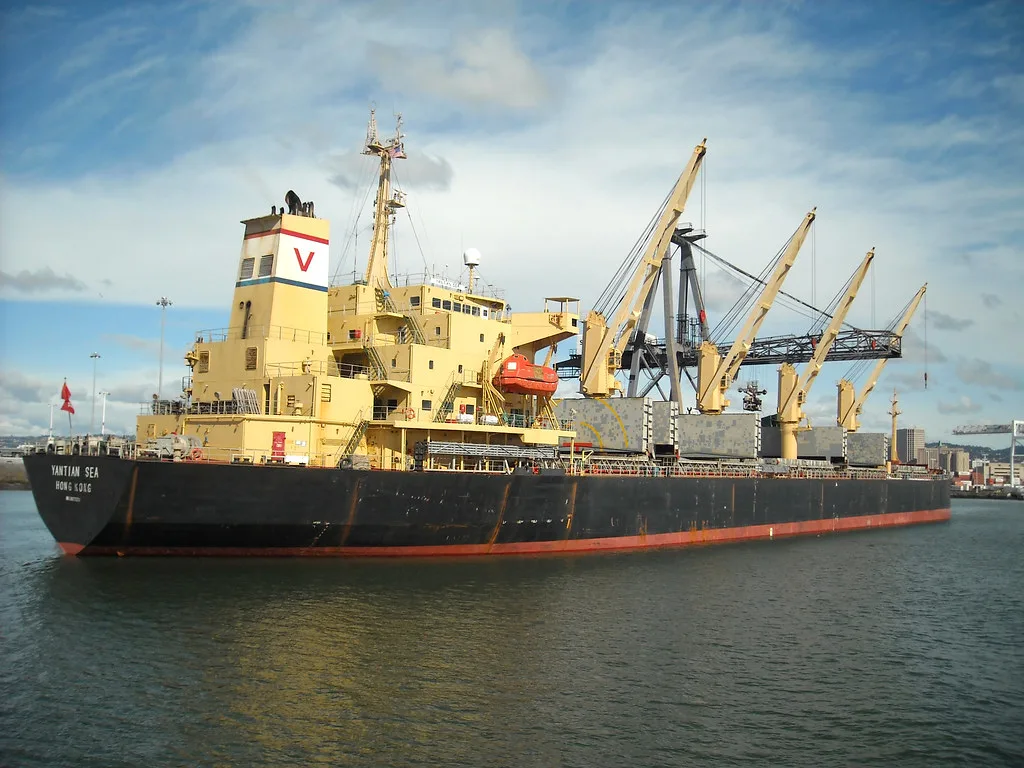
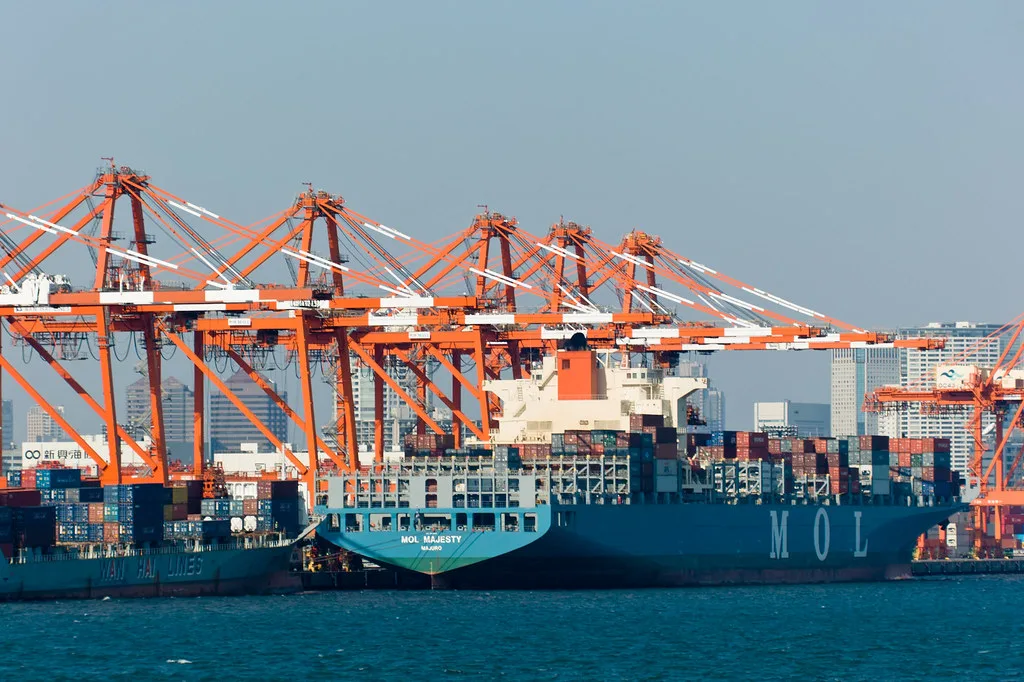
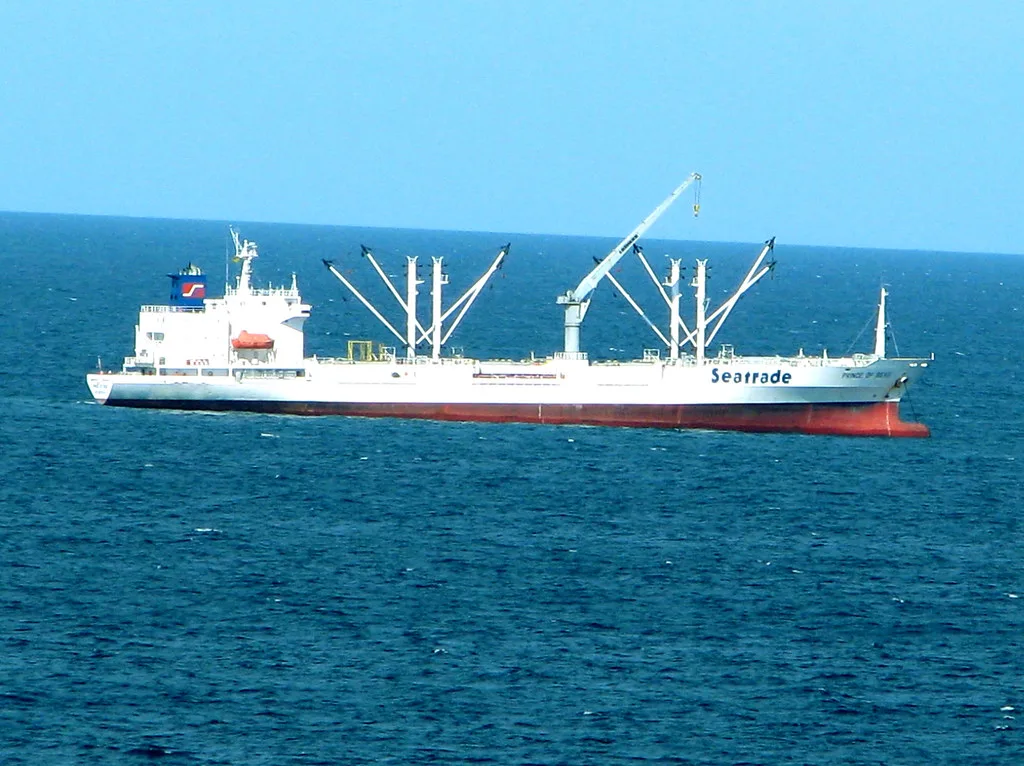
For many expats and businesses establishing roots, the dedicated freight approach for shipping to Bali stands as the most comprehensive solution. This method encompasses both sea freight and air freight, tailored to the volume, urgency, and nature of your goods. Sea freight, often the choice for larger consignments like full household moves or commercial inventory, transports items via container ships to Indonesian ports.
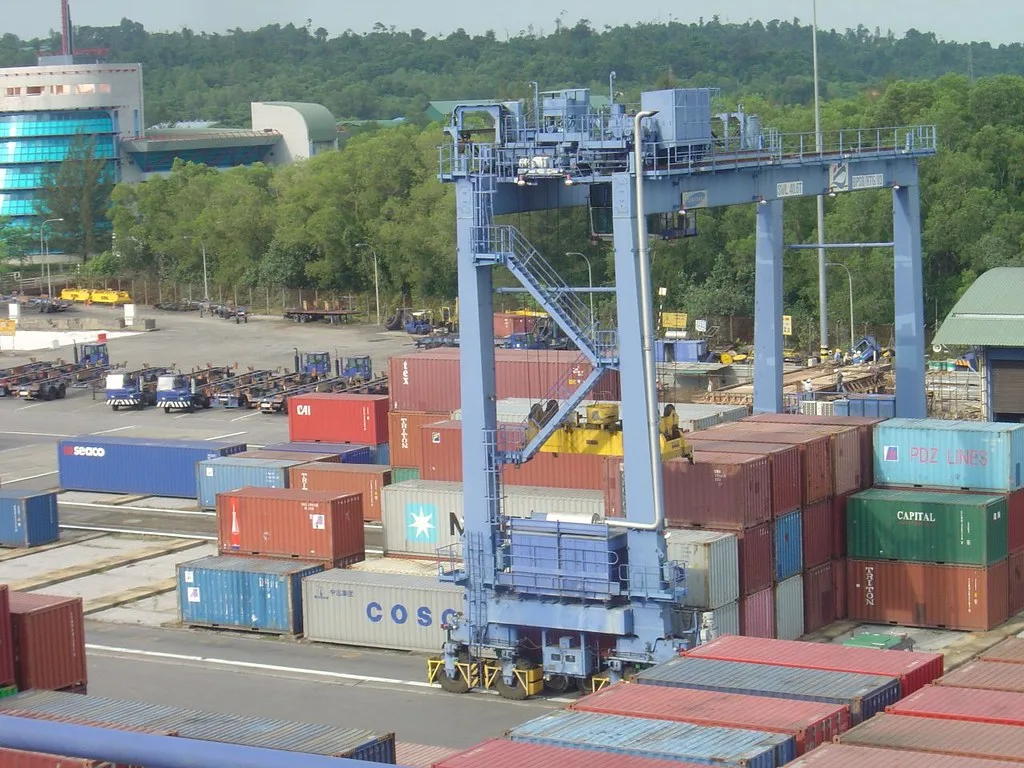
When considering sea freight, two primary options emerge: a Full Container Load (FCL) or Less than Container Load (LCL). An FCL typically involves a 20ft or 40ft container dedicated solely to your goods. A 20ft container holds approximately 33 cubic meters, suitable for a 2-3 bedroom home, while a 40ft container offers about 67 cubic meters, ideal for larger residences or commercial shipments. Transit times vary significantly by origin; a shipment from the UK might take 45-60 days to reach Benoa Port, Bali, while a journey from Australia could be as swift as 20-30 days. From the US West Coast, expect 50-70 days, and from Europe, 55-75 days. The average cost for a 20ft container from Australia to Bali can range from $2,500 to $4,500, excluding duties and local delivery. LCL, on the other hand, is perfect for smaller shipments, where your goods share container space with others, reducing costs but potentially adding a week or two to transit for consolidation. Goods are typically measured in cubic meters (CBM), with an average cost from Singapore to Bali via LCL being around $150-250 per CBM.
Air freight presents a faster, though more expensive, alternative. This method is reserved for urgent personal effects, high-value small items, or critical business samples. Goods fly into Ngurah Rai International Airport (DPS) in Denpasar, Bali. Typical transit times range from 5 to 10 days globally, significantly cutting down on waiting periods. For example, express air freight from London to Bali can take as little as 3-5 days. The cost for air freight is calculated per kilogram, often starting at $8-$15 per kilogram for larger shipments, with a minimum chargeable weight usually around 45-100kg. This makes it impractical for furniture or large volumes. Both sea and air freight services often include comprehensive door-to-door solutions, encompassing professional packing, customs clearance at Benoa or Tanjung Perak (Surabaya, a common transit point for Bali-bound cargo), and final delivery to your Bali address. Insurance, typically around 1.5% of the declared value, is highly recommended to protect against unforeseen incidents during transit. The Indonesian Directorate General of Customs and Excise oversees all imports, requiring meticulous documentation.
The Checked Baggage & Excess Luggage Route
For those making a swift move or only bringing immediate essentials, relying on checked baggage and excess luggage allowances offers an instant solution. This method leverages the existing infrastructure of commercial airlines, meaning your items travel with you on your flight to Ngurah Rai International Airport (DPS).
Most international airlines permit 1-2 checked bags per passenger, with individual bag weights typically capped at 23kg (economy class) or 32kg (business/first class). The standard dimensions for checked luggage often limit bags to a total linear measurement (length + width + height) of 158cm. This means large items like surfboards, bicycles, or substantial electronics often fall outside standard allowances and incur separate, often substantial, oversized baggage fees. For example, an extra 23kg bag on a flight from Australia to Bali might cost between $150-$300, depending on the airline and route. Exceeding the standard weight limit can trigger even higher per-kilogram charges, sometimes reaching $10-$20 per kilogram. A 10kg overweight bag could add $100-$200 to your travel expenses instantly. While convenient for immediate access to clothing, toiletries, and small personal items, this method quickly becomes cost-prohibitive for anything beyond a few suitcases. Airlines operate under strict International Air Transport Association (IATA) regulations regarding dangerous goods, meaning certain items like aerosols, large power banks, or specific chemicals are prohibited from checked or carry-on luggage. Furthermore, while personal effects typically clear Indonesian customs without duties when accompanying a passenger, bringing new, high-value items or multiple units of the same item can attract attention and potential import duties upon arrival. The lack of robust packing services and limited insurance options (beyond standard airline liability, which is often minimal) also presents a significant risk for fragile or valuable items. For a family of four, attempting to move the contents of even a small apartment via excess baggage could easily exceed $5,000, dwarfing the cost of a dedicated LCL sea freight shipment for similar volume.
International Postal & Courier Services (DHL, FedEx, EMS)
For urgent documents, small packages, or time-sensitive samples, international postal and courier services like DHL, FedEx, UPS, or Indonesia’s EMS (Express Mail Service) offer a distinct advantage in speed and tracking. These services are essentially specialized air freight for smaller consignments, prioritizing rapid delivery over cost-efficiency for bulk.
Courier services typically provide door-to-door delivery from origin to almost any address in Bali, often within 3-7 business days from major global cities. For instance, a parcel sent from New York to Denpasar via DHL Express might arrive in 4-6 days. They excel in offering detailed tracking information, allowing senders and recipients to monitor their package’s journey in real-time. The convenience is undeniable, particularly for business-critical items or forgotten essentials. However, this speed and convenience come at a premium. The cost structure is based on both actual weight and volumetric weight, with the higher of the two being charged. A 5kg box from Europe to Bali could easily cost $150-$300, depending on dimensions and service level. Shipping a 30kg box, which might fit in one airline checked bag, could cost upwards of $600-$1,000 via courier, making it economically unfeasible for anything resembling a household move. These services also face the same Indonesian customs regulations as larger freight. While they handle the customs declaration process, accurate item descriptions and declared values are paramount. Packages declared incorrectly or containing prohibited items face delays, fines, or confiscation by the Directorate General of Customs and Excise. Common prohibited items for import include narcotics, certain types of electronic devices without proper permits, and certain food products. The maximum weight and dimension limits, while generous for parcels, are still restrictive compared to freight options; a typical maximum weight might be 70kg per package, and maximum length around 270cm, making furniture or large appliances impossible to send this way. For a business needing to send a prototype or critical spare part, the speed justifies the cost, but for personal effects beyond a few books or clothes, the expense quickly escalates. Pos Indonesia, the national postal service, also offers international services, often at a lower price point but with longer transit times (10-20 days) and less comprehensive tracking than private couriers.
Buying New Upon Arrival in Bali
A seemingly straightforward alternative to shipping to Bali is to simply purchase new items once you arrive. This approach eliminates the complexities of international logistics, customs clearance, and the potential for transit damage entirely. For many, it represents a fresh start, furnishing a new villa or stocking a business with locally sourced goods.
Bali’s retail landscape has evolved significantly over the last decade, offering a wide array of options for furniture, electronics, and household goods. Large hardware and home furnishing stores like ACE Hardware and IKEA (located near Ngurah Rai) provide modern, ready-to-assemble items. Local furniture makers in areas like Kerobokan and Gianyar craft beautiful pieces from teak, rattan, and other indigenous materials, often custom-made to your specifications with lead times of 2-6 weeks. The cost of a locally made solid teak dining table for six, for instance, might range from IDR 8,000,000 to IDR 15,000,000 (approximately $500-$1,000 USD). This supports the local economy and provides unique, often handcrafted items that embody the island’s aesthetic. For electronics, major brands are available, though prices for imported goods can be 20-50% higher than in their origin countries due to import duties and local distribution costs. A new iPhone, for example, might cost 25% more in Bali than in Singapore or the US. Kitchen appliances, bedding, and general household items are readily available in supermarkets and department stores across Denpasar, Seminyak, and Canggu.
While convenient, this option has its drawbacks. Sentimental items, family heirlooms, or specific high-end brands not distributed in Indonesia simply cannot be replaced. The initial outlay for furnishing an entire home can be substantial; equipping a 2-bedroom villa with new furniture and appliances might cost between IDR 100,000,000 to IDR 250,000,000 (approximately $6,500-$16,000 USD). This cost can sometimes rival or even exceed the expense of a 20ft container shipment for personal effects. Furthermore, the time investment required for shopping, coordinating deliveries, and assembling new items can be considerable, diverting focus from other crucial aspects of settling into a new life or launching a business. For businesses, replacing specialized equipment or specific inventory locally might be impossible or require lengthy import processes anyway. Therefore, while suitable for basic needs and supporting local craftsmanship, buying new does not always serve as a complete substitute for shipping pre-owned or specialized items.
The Hybrid Approach: A Strategic Blend
Often, the most effective strategy for relocating to Bali involves a hybrid approach, combining the strengths of different shipping methods to optimize for cost, speed, and convenience. This intelligent blending allows you to prioritize certain items while managing the overall logistics efficiently.
Imagine your move: you need your large furniture, art, and extensive personal library. For these bulk items, sea freight via LCL or FCL is the undisputed champion for cost-effectiveness. A 10 CBM (cubic meter) LCL shipment from Sydney, Australia, for instance, might cost around $1,500-$2,500, taking 20-30 days. Simultaneously, you need immediate access to essential clothing, important documents, and maybe a few small, high-value electronics like your laptop or camera. These items are best carried as checked baggage, ensuring they arrive with you, avoiding separate customs checks for personal effects within passenger limits. For urgent business samples, crucial spare parts, or a forgotten sentimental item, international air courier services like FedEx or DHL provide the necessary speed, delivering within 3-7 days at a higher per-kilogram cost. This multi-pronged strategy requires careful planning and coordination but ultimately offers the best balance. For example, a family moving from the US might send a 40ft container of household goods via sea freight (60-70 days transit), carry 6-8 suitcases on their flight (immediate access), and ship a few boxes of critical supplies via air freight (5-10 days transit) to bridge the gap until the sea shipment arrives. This ensures a smoother transition, with essential items available quickly, while the bulk of belongings travel economically. Coordinating these different streams effectively is key. A reputable movers to Bali service can help manage this complexity, consolidating documentation and providing a single point of contact for various legs of the journey. This approach acknowledges that no single shipping method is perfect for every item or every situation, allowing for a tailored solution that addresses specific needs and timelines. It’s about strategic allocation of resources, both financial and temporal, to ensure a seamless relocation experience.
Customs, Duties, & Prohibited Items: Navigating Indonesian Import
Regardless of the method chosen for shipping to Bali, understanding Indonesian customs regulations is paramount. The Directorate General of Customs and Excise (Bea Cukai) maintains strict controls over all goods entering the archipelago, a nation comprising over 17,500 islands. Missteps in declaration or attempting to import prohibited items can lead to significant delays, fines, or even confiscation of goods.
For personal effects, defined as used household goods and personal items intended for personal use by individuals relocating to Indonesia, a specific set of rules applies. Generally, personal effects can be imported duty-free, provided they are not new, are demonstrably for personal use, and arrive within a specific timeframe (usually within 3 months before or 3 months after the owner’s arrival). This exemption typically applies once per person. However, even for personal effects, a detailed packing list and accurate valuation are mandatory. New items, or items deemed to be in commercial quantities, will incur import duties, which can vary widely. For instance, luxury goods might face duties of 20-40%, while certain electronics could be around 10-15%. The Harmonized System (HS) Code, a globally recognized classification system, determines the specific duty rates. For commercial shipments, import permits (API-U for general importers, API-P for producers) are often required, alongside more rigorous documentation such as a Bill of Lading (for sea freight), Air Waybill (for air freight), commercial invoice, and packing list. All paperwork must be in English or Indonesian. The primary port for Bali-bound sea freight is Benoa Port, near Denpasar. However, larger vessels often dock at Tanjung Perak Port in Surabaya, East Java, requiring subsequent onward transport by truck or smaller vessel to Bali, adding 3-7 days to the total transit time and an additional layer of logistics. This transit via Surabaya is common due to Benoa’s shallower draft, limiting the size of ships it can accommodate. Indonesian customs duties are a complex topic, often requiring the expertise of a local customs broker or experienced shipping agent.
Prohibited items are a critical concern. Narcotics, firearms, ammunition, pornography, and certain types of telecommunication devices without specific permits are strictly forbidden. Indonesia enforces severe penalties for drug offenses, including the death penalty. Certain food items, especially fresh produce, dairy, and meat products, require specific import licenses and health certificates, often making their import impractical for personal use. Even items like e-cigarettes or certain medications can be problematic without proper documentation. Alcohol and tobacco have strict limits for personal import and are subject to high duties if exceeding those limits. Before packing, always consult your shipping provider or Indonesian customs regulations to ensure your items comply. Non-compliance is not just an inconvenience; it can have serious legal repercussions.
Packing, Insurance, and Timelines: The Unseen Variables
Beyond choosing a shipping method, the success of your relocation to Bali hinges on meticulous attention to packing, comprehensive insurance coverage, and a realistic understanding of timelines. These unseen variables often dictate the smoothness of your transition.
Professional packing is not merely about boxing items; it’s about safeguarding your possessions against the rigors of international transit across thousands of kilometers. Reputable shipping to Bali services utilize industry-standard materials and techniques. This includes custom crating for fragile or high-value items, specialized wrapping for furniture, and robust cartons designed for overseas travel. Wooden crates, for example, must adhere to ISPM 15 international standards for phytosanitary measures, ensuring they are treated to prevent pest infestations. Improper packing is a leading cause of damage during shipping, whether by sea or air. A professionally packed 20ft container from London to Benoa, for instance, minimizes the risk of shifting cargo during its 45-60 day journey. The cost of professional packing services is an investment, typically ranging from $500 to $1,500 for a medium-sized household, but it significantly reduces the likelihood of costly damages.
Insurance is non-negotiable for international shipments. While carriers exercise care, unforeseen events like accidents, natural disasters, or theft can occur. Most comprehensive marine or air cargo insurance policies cover goods for their declared value, often requiring a premium of 1.5% to 3% of the total declared value. Without adequate insurance, any damage or loss sustained during transit could result in a complete financial loss. Ensuring your policy covers door-to-door transit, including handling and storage at origin and destination, provides peace of mind. Claims processing, even with robust insurance, can take 30-90 days, underscoring the importance of detailed documentation and photographic evidence of items before packing.
Finally, realistic timelines are crucial for planning your move. Sea freight, while economical, is a marathon, not a sprint. From the UK, expect 4-6 weeks for transit alone, plus 1-2 weeks for customs clearance and local delivery in Bali. From the US, this extends to 6-8 weeks. Air freight is faster, delivering within 5-10 days, but still requires 2-5 days for customs processing upon arrival at Ngurah Rai International Airport. These timelines do not account for potential delays due to port congestion, unforeseen weather events in the Indian Ocean or Pacific, or customs inspections. Planning your arrival in Bali around these timelines, ensuring you have immediate essentials via checked baggage or a small air freight shipment, prevents unnecessary stress. Consulting with an experienced Bali expat relocation specialist provides invaluable insights into these nuanced aspects, ensuring a smoother, more predictable move to the island.
Navigating the logistics of moving your life or business to Bali is a journey with multiple paths. From the vast expanse of a 40ft container arriving at Benoa Port to the swift delivery of a crucial document via air courier, each method offers distinct advantages and trade-offs. Understanding these options, coupled with meticulous planning around customs, packing, and timelines, empowers you to make informed decisions. For a seamless transition, explore our comprehensive shipping to Bali services and receive a personalized quote tailored to your specific needs.