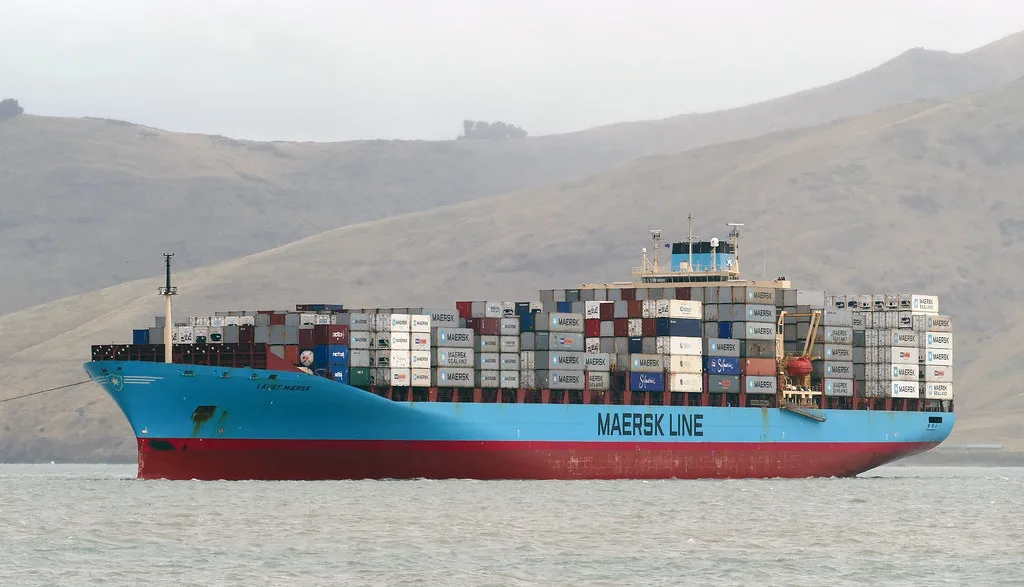
- Strategic freight choice: Air freight offers speed, while sea freight provides cost-efficiency for bulk.
- Rigorous customs compliance: Accurate HS codes and necessary permits prevent delays and penalties.
- Visa and company registration: Essential for legal operation and long-term presence on the island.
The morning light on Bali’s terraced rice paddies often belies the intricate hum of international commerce beneath its tranquil surface. For businesses setting roots or expanding operations here, the journey from concept to fully equipped office or stocked showroom is a complex ballet of logistics, documentation, and local understanding.
How to Ship Office Equipment to Bali?
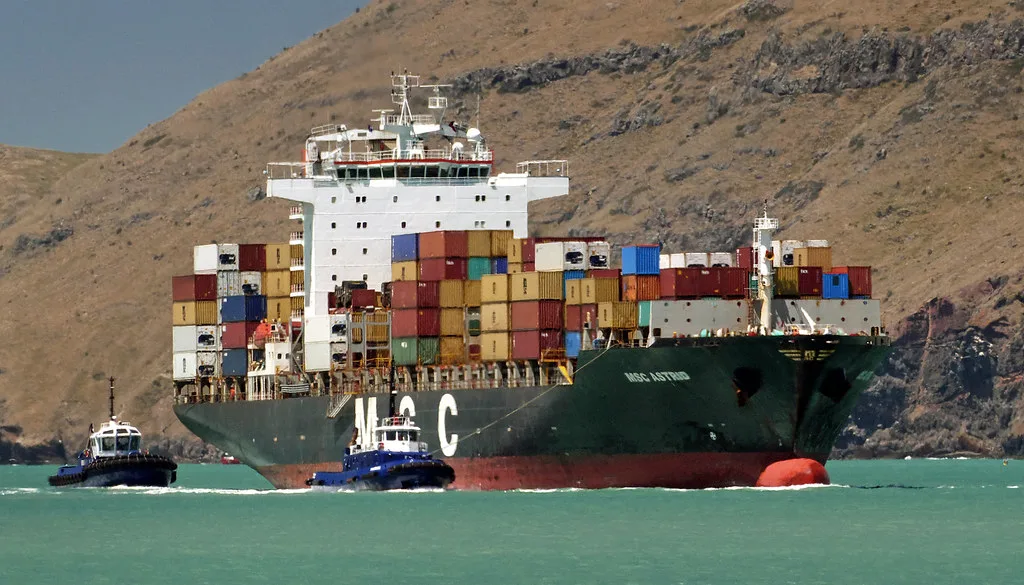
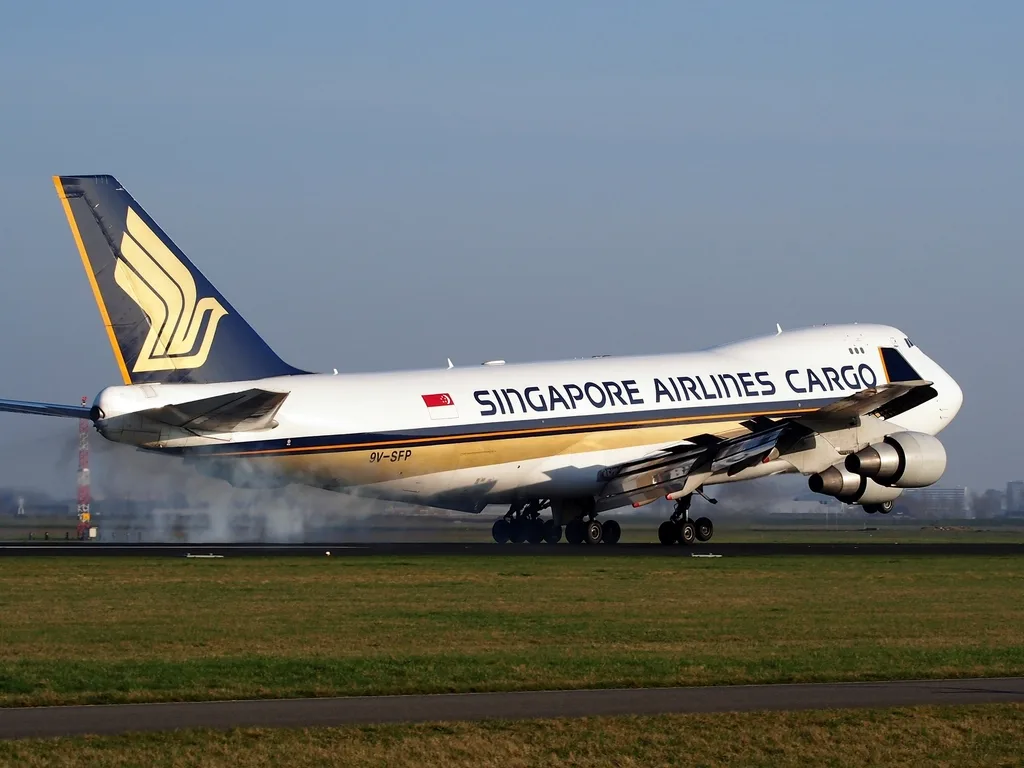
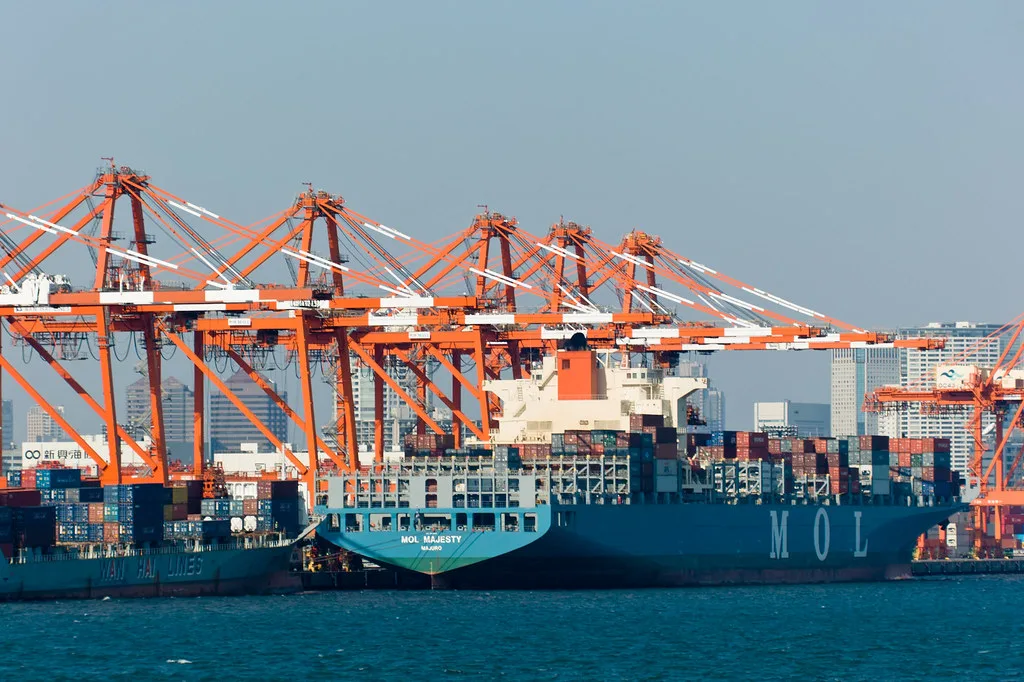
Shipping office equipment to Bali involves careful documentation, strategic freight selection, and adherence to specific Indonesian import regulations. Businesses typically choose between air freight for urgent, smaller consignments and sea freight for bulkier or less time-sensitive items. Air freight arrives at Ngurah Rai International Airport (DPS), processed through its cargo terminal. A standard pallet of electronics, for instance, shipped via air from Singapore, might take 1-3 days for transit, costing approximately $500-1,000 USD (IDR 7.5 million – 15 million) depending on volume and weight. Sea freight, arriving at Tanjung Benoa port, offers a more economical solution. A Less than Container Load (LCL) shipment for a few office desks and chairs from Jakarta to Tanjung Benoa typically takes 2-4 days, priced around $150-300 USD (IDR 2.2 million – 4.5 million).
For any shipping to Bali of office equipment, a detailed packing list and commercial invoice are non-negotiable. These documents must precisely describe each item, including its quantity, value, and Harmonized System (HS) code. Certain electronics, particularly those with advanced encryption or specific certifications, may require additional import permits from relevant Indonesian ministries before arrival. Engaging a freight forwarder bali for business is crucial; they possess the necessary local import licenses, such as an API-U (General Importer Identification Number) or API-P (Producer Importer Identification Number), to facilitate customs clearance. Professional crating and packaging are recommended to protect sensitive equipment during transit across thousands of kilometres of ocean or air routes, mitigating risks from handling and environmental factors.
What are the Import Rules for Business Stock in Bali?
Importing stock to Bali requires strict adherence to Indonesian customs regulations, including accurate product classification, duty payment, and often pre-market approvals. Every item of business stock must be assigned a correct HS code, which dictates the applicable import duties and taxes. These tariffs can vary significantly, ranging from 0% for some essential goods to over 40% for certain luxury or protected items. Beyond duties, all imported goods are subject to an 11% Value Added Tax (PPN) and a 2.5% to 7.5% Income Tax (PPh), depending on the importer’s tax status. For specific product categories like food, cosmetics, pharmaceuticals, or certain textiles, obtaining pre-market approval from agencies such as BPOM (National Agency of Drug and Food Control) or the Ministry of Health is mandatory.
The documentation required for importing stock to Bali is comprehensive: a Bill of Lading (for sea freight) or Air Waybill (for air freight), a commercial invoice, a detailed packing list, and a Certificate of Origin are standard. Customs processing at Ngurah Rai Airport’s cargo facility or Tanjung Benoa port typically takes 2-5 working days once all documents are submitted and verified. Delays often arise from discrepancies in documentation or incorrect HS codes. A local entity, such as a PT PMA (foreign-owned company) or a registered Indonesian importer, is legally required to act as the consignee for commercial shipments. This legal framework ensures that all imported goods comply with national standards and contribute to the local economy. For more details on HS codes, consult Wikipedia’s Harmonized System overview.
Do We Handle Commercial Freight Shipments to Bali?
Yes, our services are specifically designed to manage the full spectrum of commercial freight shipments to Bali, from individual parcels to entire container loads. We provide end-to-end logistics solutions, ensuring a seamless process from the origin point to your business premises in locations like Canggu, Ubud, or Seminyak. Our comprehensive approach includes pre-shipment consultation, professional packing and crating services, freight booking (sea or air), customs brokerage, and final-mile delivery. We handle diverse types of cargo, including general merchandise, specialised equipment, oversized items, and even certain dangerous goods, provided they are properly classified and documented.
Our extensive global network, spanning over 50 countries, allows us to coordinate b2b freight to Bali efficiently, leveraging established routes and partnerships. For example, average transit time for sea freight from major Asian hubs like Shanghai to Tanjung Benoa is 10-14 days, while air freight from European centres such as Frankfurt to Ngurah Rai (DPS) takes approximately 3-5 days. Our team acts as your dedicated freight forwarder bali for business, navigating the complexities of Indonesian customs and local transportation. We work closely with Bali customs officials and local port authorities, ensuring all declarations are accurate and compliant, thereby minimising potential delays or additional costs. This proactive management guarantees that your company relocation to Bali or regular stock replenishment proceeds with maximum efficiency.
How Do Businesses Optimise Shipping Costs to Bali?
Businesses can significantly reduce shipping costs to Bali by strategically choosing freight methods, consolidating shipments, and ensuring meticulous documentation to avoid demurrage and unexpected fees. The primary decision revolves around air freight versus sea freight. Air freight, while offering speed – a critical advantage for time-sensitive stock or urgent equipment – is typically 5 to 10 times more expensive than sea freight. For example, a cubic meter of cargo might cost $100-200 USD (IDR 1.5 million – 3 million) by sea, but $500-1,500 USD (IDR 7.5 million – 22.5 million) by air. For bulkier, non-urgent goods, sea freight in an LCL or Full Container Load (FCL) configuration is the most cost-effective option. A 20ft container from Sydney to Bali, for instance, costs approximately $1,500-2,500 USD (IDR 22.5 million – 37.5 million).
Consolidating multiple smaller shipments into a single larger consignment dramatically lowers the per-unit shipping cost. Utilising LCL services allows businesses to share container space, splitting costs with other importers. Furthermore, precise and complete documentation is paramount. Errors in commercial invoices, packing lists, or HS codes can lead to customs delays, inspections, and costly demurrage charges, which can be $50-100 USD (IDR 750,000 – 1.5 million) per day for delayed container clearance at the port. Employing an experienced freight forwarder bali for business eliminates these risks, as they ensure all paperwork is accurate and submitted correctly, often facilitating pre-clearance processes. Strategic timing, avoiding peak shipping seasons, and securing adequate but not excessive cargo insurance also contribute to overall cost reduction for any office relocation to Bali shipping needs.
Navigating Visas and Business Registration for Bali Relocation
Successful company relocation to Bali extends beyond the physical movement of goods, requiring careful navigation of Indonesian immigration for business visas and local company registration. For foreign individuals planning to work or reside long-term in Indonesia, securing a KITAS (Kartu Izin Tinggal Terbatas – Temporary Stay Permit) is essential. Various KITAS types exist, such as the C312 for investor/director roles or C313/314 for skilled workers. While an e-VOA (electronic Visa On Arrival) allows initial entry for tourism or short business meetings for up to 60 days for many nationalities, it is not suitable for sustained work or establishing a permanent business presence. For comprehensive visa information, refer to Indonesian Immigration.
Establishing a legal business entity is a prerequisite for most commercial activities and importing stock to Bali. The most common structure for foreign-owned businesses is a PT PMA (Perseroan Terbatas Penanaman Modal Asing). This process involves obtaining approval from the Investment Coordinating Board (BKPM), establishing a deed of incorporation with a public notary, acquiring a tax registration number (NPWP), and securing a Business Identification Number (NIB). A PT PMA typically requires a minimum capital investment of approximately IDR 10 billion (around $650,000 USD), though this can vary by business sector. The entire process, from initial BKPM application to NIB registration, can take several weeks to a few months, with KITAS processing adding another 2-3 months to the timeline. Planning these administrative steps well in advance is critical for a smooth office relocation to Bali.
Ensuring Smooth Customs Clearance and Last-Mile Delivery in Bali
Efficient customs clearance and reliable last-mile delivery are critical final stages for any business shipping operation to Bali, demanding local expertise and proactive management. Upon arrival at Ngurah Rai International Airport (DPS) for air cargo or Tanjung Benoa port for sea cargo, goods undergo customs processing. A customs broker plays an indispensable role here, submitting pre-arrival documents and liaising directly with Bali customs officials to expedite clearance. While most shipments are cleared based on documentation, a percentage (typically 10-15%) undergoes physical inspection by customs officers. Delays can occur if documentation is incomplete, values are disputed, or specific permits are missing.
Once cleared, the final leg of the journey – last-mile delivery – transports your equipment and stock to your business location in Sanur, Denpasar, or anywhere across the island. Bali’s road infrastructure, while improving, can present challenges, particularly in high-traffic areas or during peak tourist seasons. Delivery from Tanjung Benoa to Seminyak, a distance of approximately 15 kilometres, might take 30-60 minutes depending on traffic conditions. Our local logistics partners are adept at navigating these conditions, ensuring timely and secure delivery. For businesses without immediate storage solutions, we can arrange for temporary warehousing near the port or airport. This comprehensive approach to freight services to Bali ensures that your goods arrive safely and are ready for immediate use or sale, completing the complex process of business shipping to Bali. For general travel information and local insights, visit Indonesia Travel.
For a comprehensive solution to your business shipping to Bali, from intricate customs regulations to reliable last-mile delivery, contact our expert team. We provide tailored quotes and strategic guidance for all your office relocation to bali shipping needs.