- Verify current Indonesian freight forwarding licenses and international certifications.
- Obtain detailed, all-inclusive quotes, scrutinising for hidden fees or surcharges.
- Assess specific experience with Bali’s unique import requirements, particularly for complex items or pet relocation.
The scent of frangipani in the humid air, the distant murmur of the Indian Ocean at Canggu’s shoreline; Bali calls, and with it, the practicalities of relocating your life. Navigating the logistics of moving your possessions across oceans requires precision, foresight, and the right partner.
How do I choose the best shipping company to Bali?
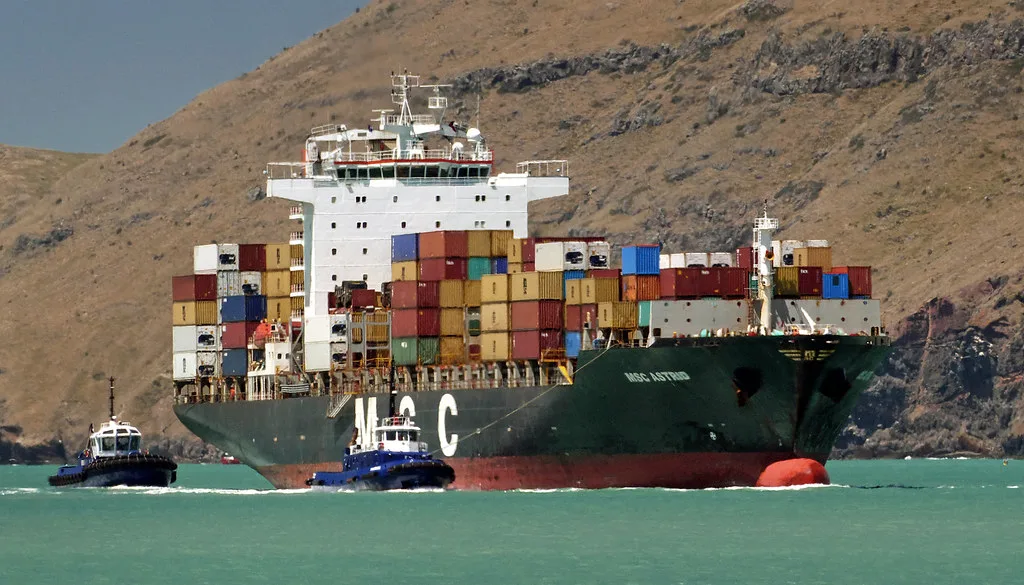
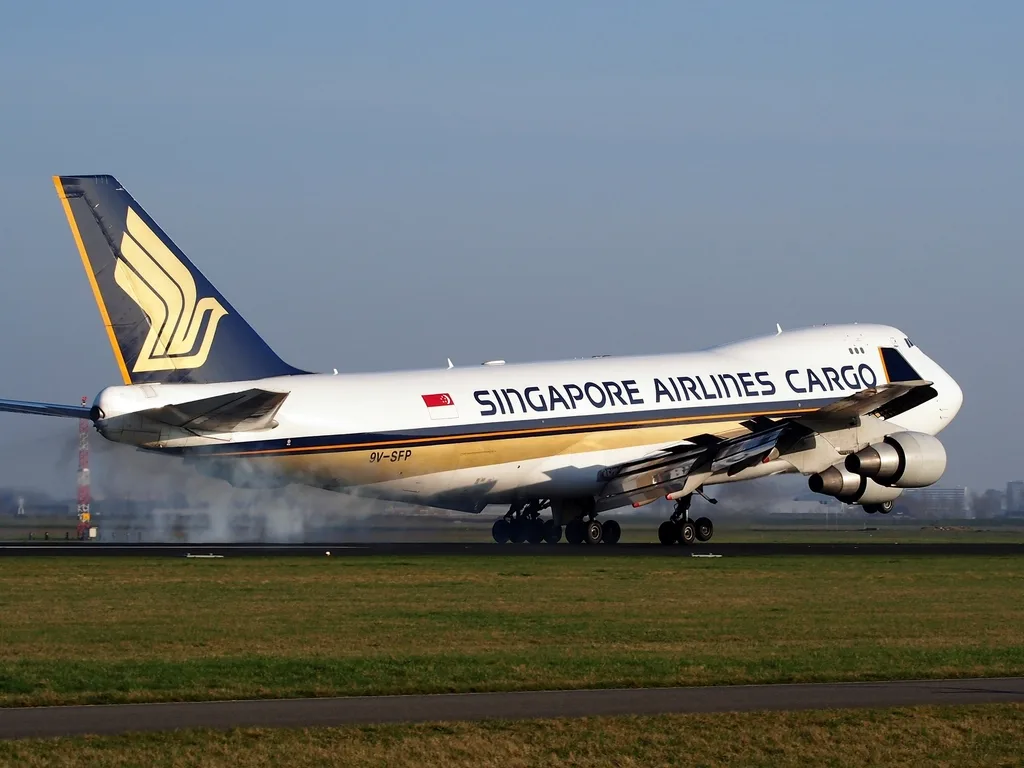
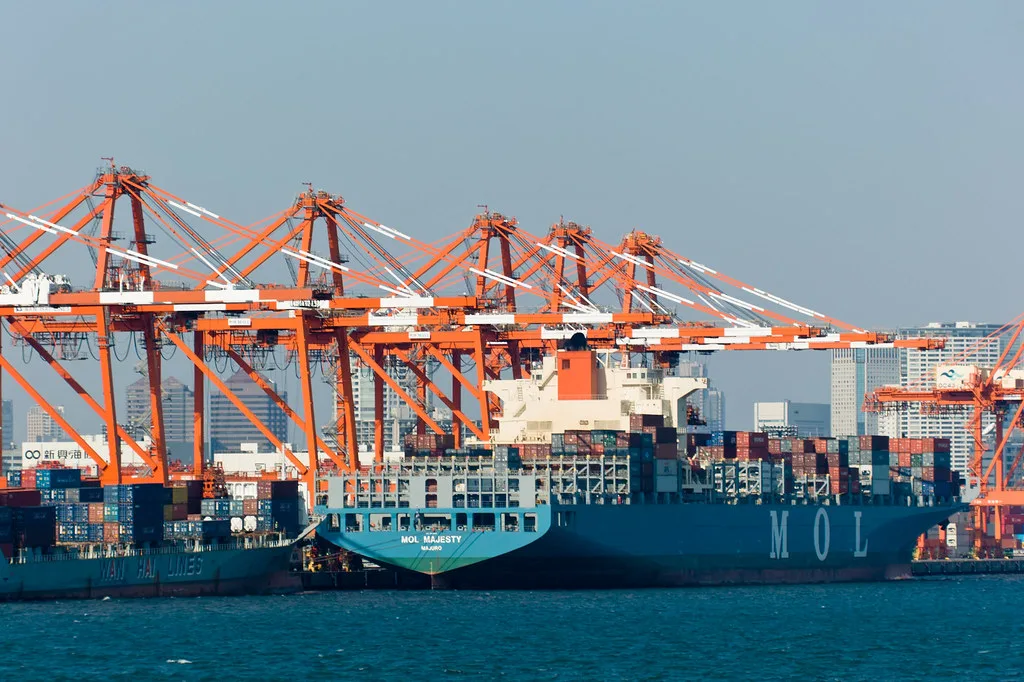
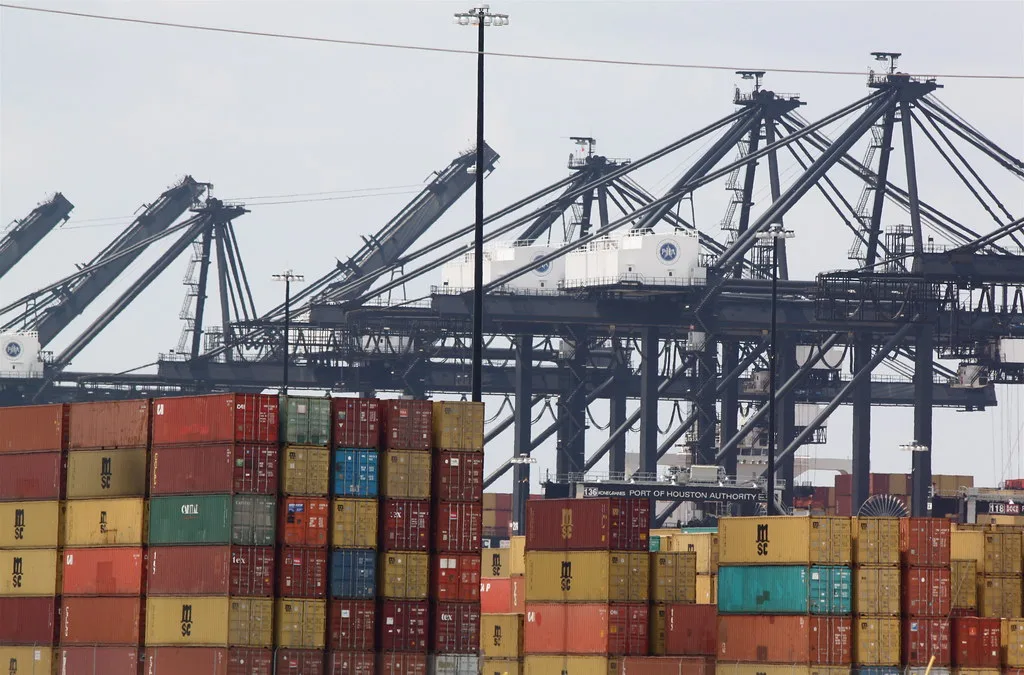
Selecting the best shipping company to Bali involves a meticulous evaluation of several key criteria, prioritising reliability, expertise, and transparent operations crucial for international transit. Begin by researching companies with a dedicated track record specifically for Indonesian imports. Many global movers operate, but true specialists understand the nuances of Ngurah Rai (DPS) customs and the varied delivery challenges across the island, from the narrow lanes of Ubud to the bustling streets of Seminyak. Look for companies that are members of reputable international freight forwarding associations, such as FIATA (International Federation of Freight Forwarders Associations), which indicates adherence to global standards. Verify their physical presence or established partnerships within Indonesia; a local agent in Denpasar or Surabaya significantly streamlines the final mile delivery and customs clearance. Consider their specialisation: Are you shipping a full 20-foot container (FCL) of household goods, or a smaller, less-than-container-load (LCL) consignment of art? Some providers excel in vehicle importation, a complex process involving specific permits and duties, while others are adept at delicate art and antique shipments requiring specialised crating. A comprehensive quote should detail all aspects: origin packing, sea freight (or air freight) charges, port handling fees, Indonesian import duties, and local delivery costs. For instance, a 20-foot FCL shipment from New York to Bali might range from USD 3,500 to USD 6,000 for sea freight alone, excluding duties and local delivery, which could add another USD 1,000 to USD 2,500 (approx. IDR 15,500,000 to IDR 39,000,000). Always request at least three detailed quotes for comparison.
What should I check before booking a mover to Bali?
Before committing to any international mover to Bali, a rigorous checklist ensures compliance, cost-effectiveness, and peace of mind. Firstly, confirm the company’s licensing and insurance. A legitimate licensed freight forwarder in Bali will possess the necessary permits from the Indonesian Ministry of Transportation and Customs (Bea Cukai Indonesia). Request proof of their cargo insurance policy, which should cover loss or damage from origin to final destination; standard policies often cover only limited liability, so consider purchasing additional “all-risk” coverage, typically 1-3% of your declared goods value. Secondly, scrutinise the quote for hidden charges. A transparent quote details every line item, from origin port charges (THC – Terminal Handling Charges) to destination customs clearance fees and any warehousing costs. Be wary of quotes that appear significantly lower than competitors, as these often omit crucial fees that surface later. Ask specifically about import duties and taxes for your particular items; these can vary widely based on item type and whether you hold a KITAS (Temporary Stay Permit) or are importing as a tourist. For example, new furniture might incur duties of 10-20%, while personal effects for KITAS holders can often be imported duty-free, subject to specific conditions and declarations. Thirdly, assess their communication channels and responsiveness. A reliable shipper provides a dedicated point of contact, offers real-time tracking, and responds to inquiries within 24 hours. Fluent English-speaking staff with local Indonesian knowledge are invaluable. Finally, check recent Bali sea freight company reviews on independent platforms and request references from previous clients who have shipped to Bali; direct feedback offers crucial insights into service quality and problem resolution.
Are door-to-door services to Bali better than port-to-port?
Door-to-door services to Bali generally offer superior convenience and a streamlined experience compared to port-to-port, especially for international travelers unfamiliar with local logistics. With a door-to-door service, the shipping company manages the entire process: packing at your origin residence, transportation to the departure port, sea freight (or air freight) to Ngurah Rai (DPS) or Surabaya, customs clearance in Indonesia, and final delivery to your Bali address, whether it’s a villa in Sanur or a remote property in Tabanan. This comprehensive approach minimises your involvement and mitigates the complexities of navigating Indonesian customs procedures, arranging local transportation, and dealing with unfamiliar port agents. The cost of door-to-door is typically higher, reflecting the added convenience and comprehensive management. For a 1 CBM (cubic meter) LCL shipment from London, door-to-door might cost USD 400-800 (approx. IDR 6,200,000 to IDR 12,400,000), including basic customs clearance, whereas port-to-port might be USD 200-400 (approx. IDR 3,100,000 to IDR 6,200,000) for the ocean freight alone. Port-to-port, conversely, requires you or your appointed local agent to handle all aspects from the arrival port onwards, including customs documentation, payment of duties, and arranging local transport to your final destination. While potentially cheaper on paper, this option demands a significant investment of time, local knowledge, and direct interaction with Indonesian customs officials, which can be challenging without proper language skills or an existing network. For large commercial shipments with dedicated local logistics teams, port-to-port can be efficient, but for personal effects or first-time movers, the integrated nature of door-to-door service often justifies the additional expense, providing peace of mind and reducing potential delays.
What are red flags when choosing a shipper to Bali?
Identifying red flags is crucial when comparing movers to Bali, safeguarding against potential scams, delays, and unexpected costs. One primary red flag is an opaque or overly vague quote. If a shipping company provides a quote without a detailed breakdown of all charges, including terminal handling fees, customs processing, and local delivery, it’s a significant warning sign. Be suspicious of quotes that are significantly lower than others, as they often omit critical services or charges that will be demanded later. Another major red flag is a demand for a large upfront payment, especially 50% or more, before any services have commenced. Reputable international movers typically require a deposit (10-25%) and the remaining balance upon delivery or once the shipment has cleared customs in Bali. A lack of proper licensing or international affiliations is also a critical concern; any company unable to provide verifiable licenses from their operating country and Indonesia, or membership in recognised freight forwarding networks, should be avoided. Poor communication, including delayed responses, generic email replies, or an inability to answer specific questions about Indonesian import regulations (e.g., specific requirements for a KITAS holder’s personal effects, or the process for importing a motorbike), indicates a lack of expertise and poor customer service. Furthermore, be wary of companies that pressure you into making a quick decision or offer deals that seem too good to be true. Generic websites without clear contact information, physical addresses, or staff details also pose a risk. Finally, negative or non-existent online reviews, particularly on independent platforms, or a history of complaints regarding lost items, damaged goods, or excessive delays, are strong indicators to seek another provider for your trusted shipping to Bali needs.
Navigating Indonesian import regulations requires expert guidance. For those bringing pets, understand the strict quarantine protocols and the necessity of a rabies titre test, validated by government vets, well in advance. All goods are subject to scrutiny by Bali customs officials, and accurate declaration is paramount. Misdeclaration can lead to significant fines and delays. Indonesian customs tariffs are complex, and a good freight forwarder simplifies this. Ensure all necessary personal documents, such as your passport, visa (e.g., e-VOA or KITAS), and any specific import permits, are in order and readily available. The process, while rigorous, is manageable with the right partner. For more detailed information on specific visa requirements, refer to the official Indonesian Immigration website. Explore how we can simplify your shipping to Bali experience, from initial consultation to final delivery.
The journey to establish your life in Bali, whether for a year or a lifetime, begins with the careful transport of your cherished possessions. Choosing a reputable, licensed freight forwarder for your international mover Bali comparison is not merely a logistical step; it is an investment in your peace of mind. For comprehensive guidance and to discuss your specific shipping needs, contact the team today and begin your seamless transition to the island of gods.