
PPJK licence
Pengusaha Pengurusan Jasa Kepabeanan — certification from Bea Cukai to manage customs formalities on behalf of importers. Our in-house brokers are individually certified. This is the licence to ask about.
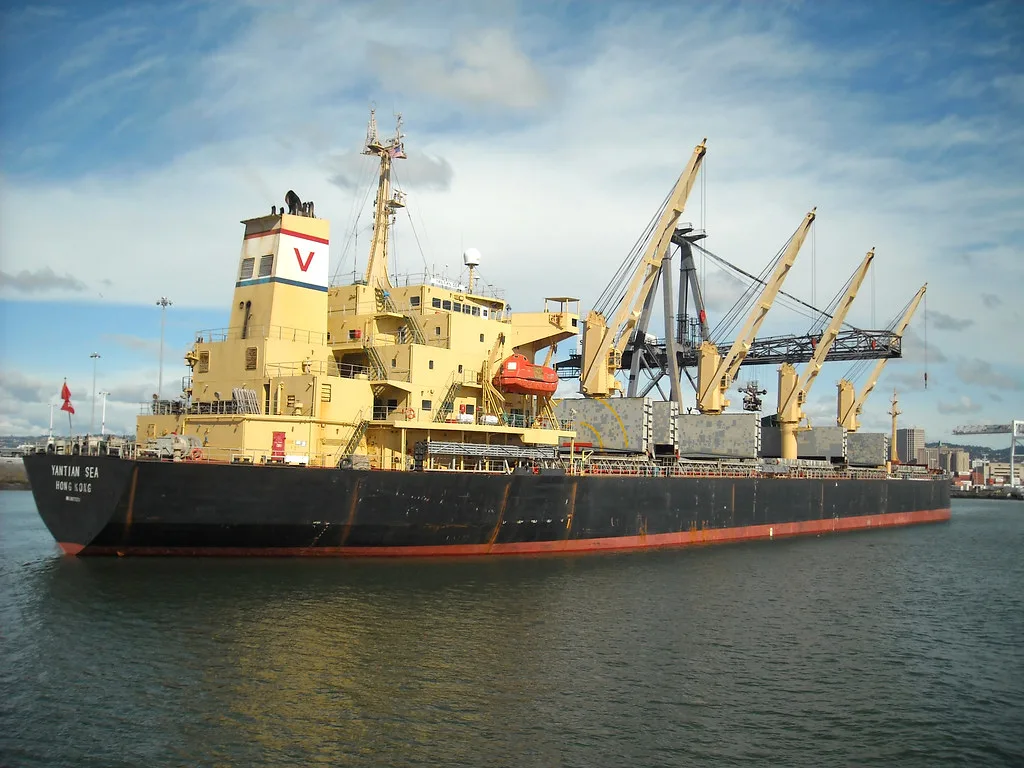
Clearing cargo on someone else's behalf in Indonesia takes a specific licence. Here is which ones we hold, which authority issues each, and how to verify them before you pay anything.
Get a quoteThe one licence that actually matters for a forwarder is PPJK: without it a company cannot legally manage customs formalities on an importer's behalf, whatever else it advertises.
What we hold
Ask for any of these as a current document. An operator who will not show you the PPJK licence is telling you something.
Pengusaha Pengurusan Jasa Kepabeanan — certification from Bea Cukai to manage customs formalities on behalf of importers. Our in-house brokers are individually certified. This is the licence to ask about.
Nomor Induk Berusaha, the single business identification number required for all commercial activity in Indonesia, issued through the Online Single Submission system.
Nomor Pokok Wajib Pajak. A registered Indonesian taxpayer, compliant on corporate obligations including PPN and PPh on our services.
All Indonesian employees enrolled in the national social security and healthcare programmes, which is both a labour-law requirement and the thing cheapest to skip quietly.
Operational safeguards
Five measures, in the order they apply to a shipment.
An internal, maintained database of Indonesian prohibited and restricted items. Client inventories are screened against it before booking, so a seizure is caught at the quoting stage rather than at the port.
All wooden crates and pallets heat-treated and stamped to International Standards for Phytosanitary Measures No. 15. Indonesia requires it; untreated wood is a rejection at the border.
Every full container load sealed at origin with a high-security bolt seal. The number is documented and given to you, so you can verify on arrival in Bali that the box was not opened.
Comprehensive cover from underwriters, door to door. Premium is 1% to 3% of declared value. Carrier liability alone is capped by weight or volume and is not a substitute.
Delivery vehicles in Bali are GPS-tracked, so the last leg — the one with the most hands on the cargo — is monitored rather than assumed.
There is a documented emergency response plan for port closures, extreme weather and transport accidents. Ask what it says about demurrage liability if a closure holds your container; that is the clause that costs money.

PPJK, NIB, NPWP, the insurance certificate. Any of them, before you pay a deposit.
