Navigating business shipping and office relocation to Bali demands a precise understanding of Indonesian logistics and regulatory frameworks. Successfully importing equipment, stock, and securing visas involves strategic planning, meticulous documentation, and expert local partnership.
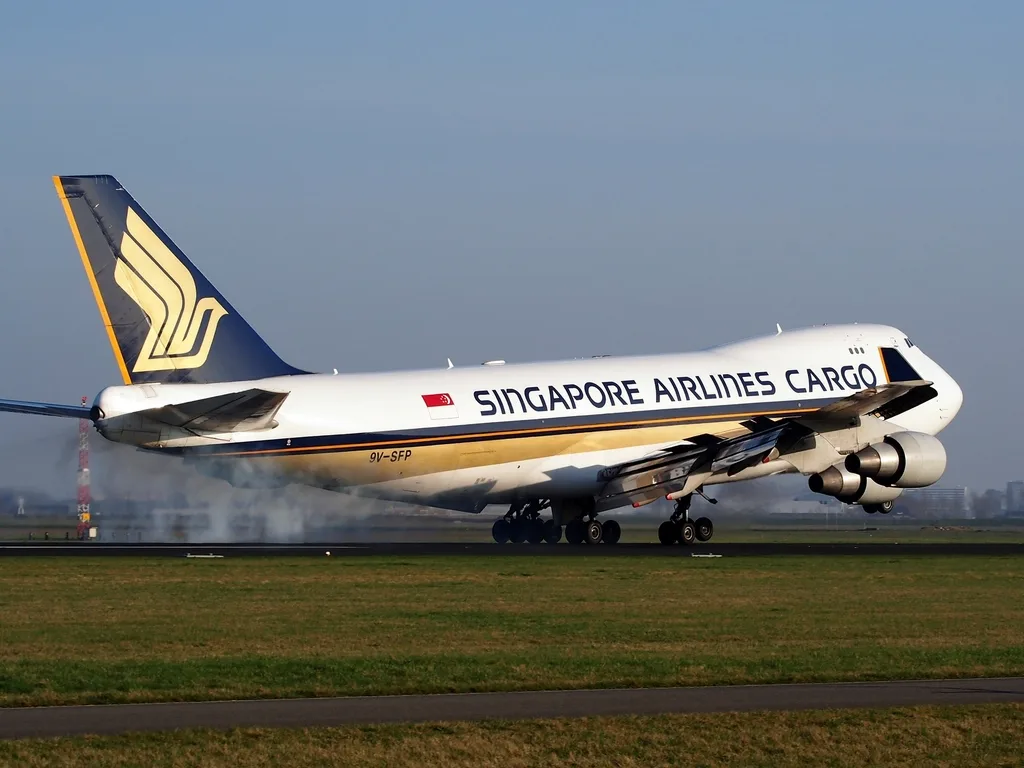
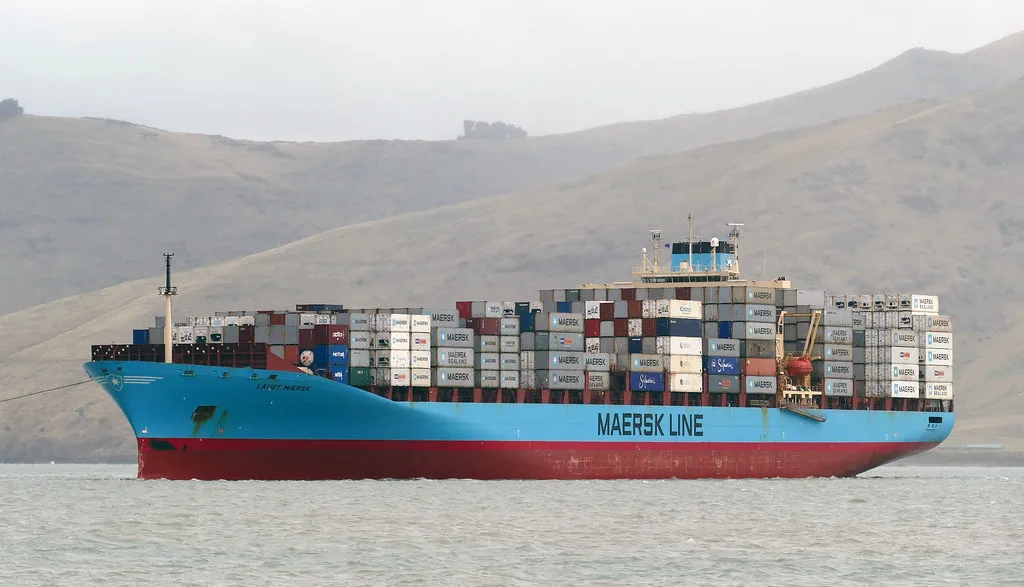
- Strategic freight choice: Air freight offers speed, while sea freight provides cost-efficiency for bulk.
- Rigorous customs compliance: Accurate HS codes and necessary permits prevent delays and penalties.
- Visa and company registration: Essential for legal operation and long-term presence on the island.
The morning light on Bali’s terraced rice paddies often belies the intricate hum of international commerce beneath its tranquil surface. For businesses setting roots or expanding operations here, the journey from concept to fully equipped office or stocked showroom is a complex ballet of logistics, documentation, and local understanding.