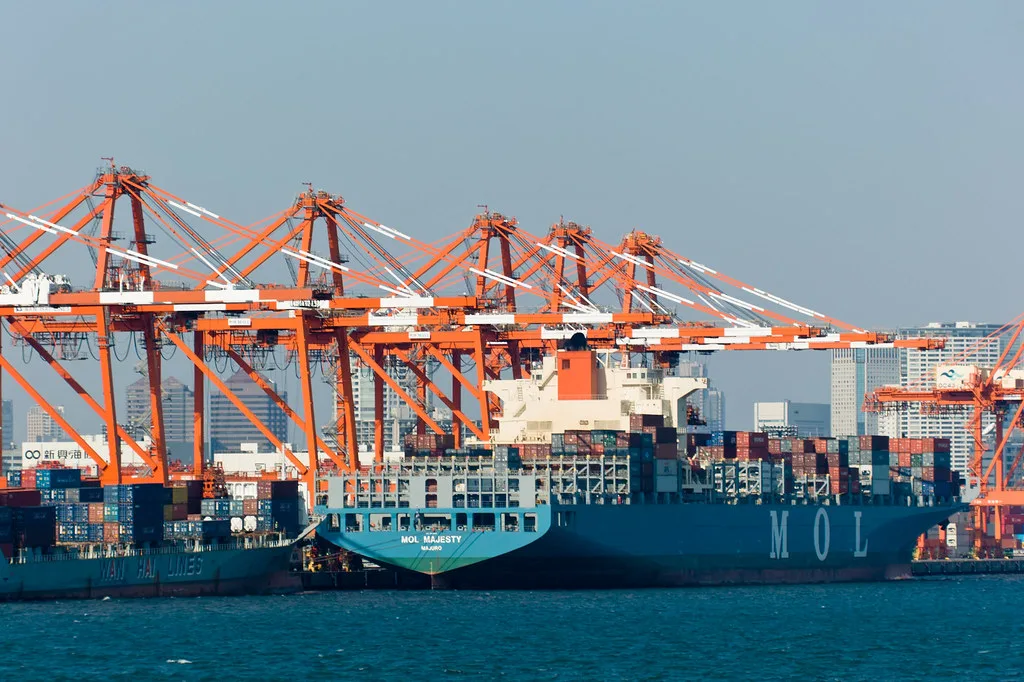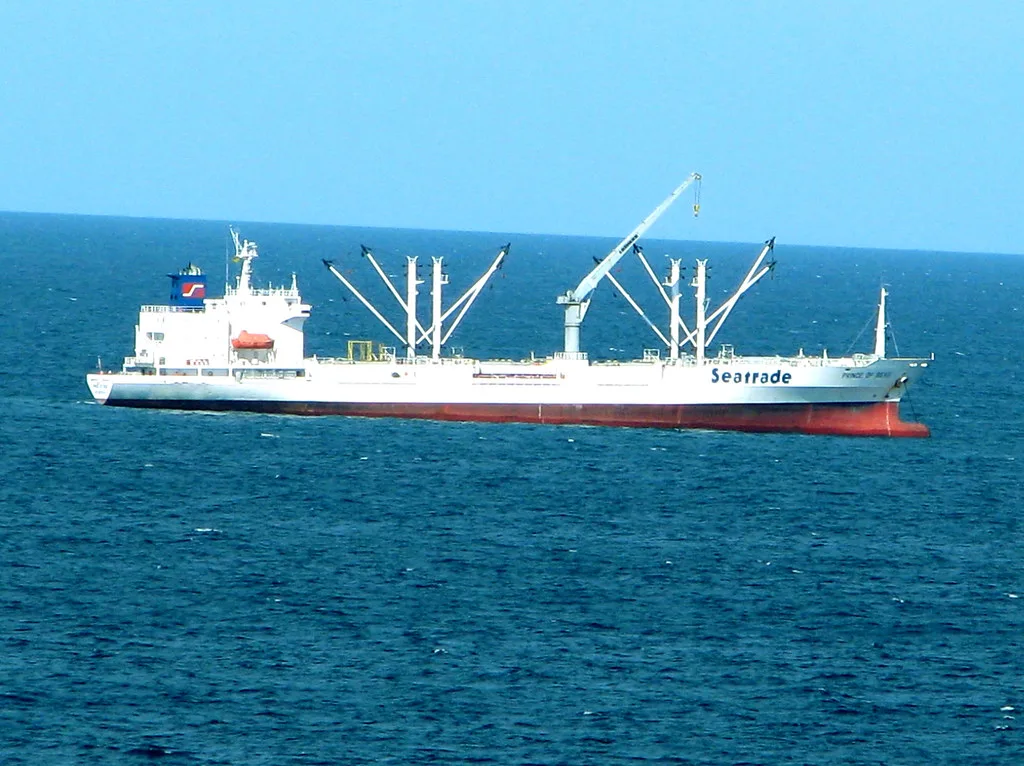
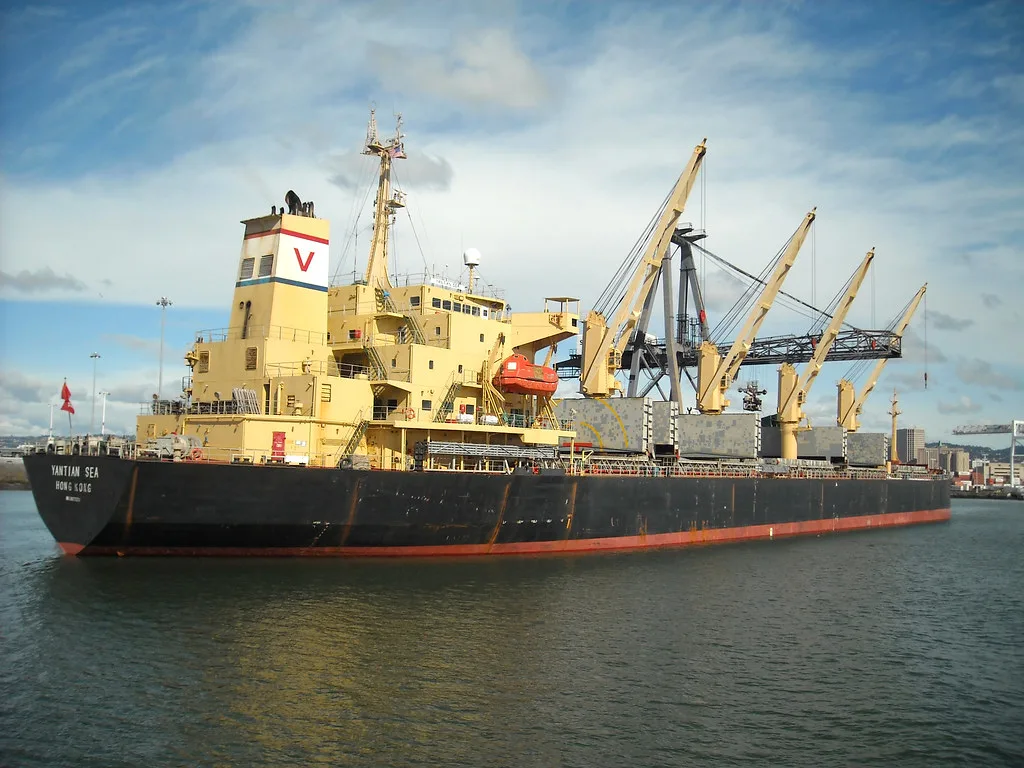

Shipping to Bali involves transporting personal effects, furniture, or commercial goods to the Indonesian island via sea freight or air freight.
- Sea freight options include Less than Container Load (LCL) for smaller shipments and Full Container Load (FCL) for larger volumes, typically 20ft or 40ft containers.
- Air freight provides a faster, though more expensive, solution for urgent or time-sensitive items.
- Customs clearance at ports like Benoa or Surabaya Tanjung Perak is a critical step, requiring precise documentation and adherence to Indonesian regulations.
The scent of clove cigarettes mixes with the ocean air, a familiar signal that Bali life awaits. Your goods, your home, your business assets travel across oceans and skies, converging on this vibrant island. Understanding the journey for shipping to Bali prepares you for a smooth transition.
Understanding Your Shipping Options and Costs to Bali
Navigating the logistics of moving goods internationally begins with choosing the right method and understanding the financial implications. Whether you are relocating a household or transporting commercial inventory, the primary decision between sea and air freight significantly impacts both timeline and budget.
Q1: What are the primary shipping methods to Bali?
For shipping to Bali, clients primarily choose between sea freight and air freight, each tailored to different needs regarding speed, volume, and cost. Sea freight is the most common and economical choice for larger shipments, including personal effects and furniture. This method utilizes either Less than Container Load (LCL) or Full Container Load (FCL) services. An LCL shipment consolidates your goods with others into a single container, ideal for volumes between 1 and 15 cubic meters (CBM). An FCL shipment, conversely, dedicates an entire container—typically a 20ft container offering 33 CBM or a 40ft container providing 67 CBM—exclusively to your items, suitable for full household moves or commercial cargo. Our operations handle thousands of CBM annually. Air freight, while significantly faster, is reserved for smaller, urgent, or high-value items, with costs calculated by chargeable weight. Transit times for air freight are often 5-10 business days, contrasting sharply with sea freight’s longer journey. We manage dozens of air freight consignments monthly from major hubs like London Heathrow and Sydney Airport, ensuring swift delivery to Ngurah Rai International Airport (DPS).
Q2: How much does shipping to Bali cost?
The cost of shipping to Bali is a dynamic calculation influenced by several key factors: the chosen shipping method (sea vs. air), the volume of your goods (measured in CBM for sea freight or chargeable weight for air freight), the origin country (e.g., UK, Australia, US, Europe, Singapore), and the specific services required. For instance, a 20ft container from London to Benoa Port, Bali, typically starts from USD 4,000, while LCL shipments from Sydney may begin at USD 350 per CBM. These figures are estimates from early 2024. Additional costs include packing services, marine insurance (often 2-3% of declared value), origin port charges, destination port charges, customs duties and taxes (which can range from 0-40% for certain goods), and local delivery fees. Door-to-door services streamline this by consolidating most charges. We provide transparent, itemized quotes, ensuring no surprises. Our pricing structure has remained stable for over 18 months, offering predictability in your relocation budget.
Navigating Timelines and Essential Documentation for Bali Shipments
Anticipation builds as your belongings make their way across continents. Understanding the precise timelines and preparing the necessary paperwork are paramount to a seamless entry into Bali, minimizing delays and ensuring compliance with Indonesian regulations.
Q3: What is the typical timeline for shipping goods to Bali?
The timeline for shipping to Bali varies significantly based on the chosen method and origin. Sea freight from major Western ports typically takes 4-8 weeks for transit alone. For example, a container from Felixstowe, UK, might reach Surabaya Tanjung Perak—a common transit hub for Bali—in 6 weeks, with an additional 1-2 weeks for onward transfer to Benoa Port and customs clearance. Shipments from Australia (e.g., Melbourne) often arrive within 3-4 weeks. Air freight, by contrast, offers much quicker transit, usually 5-10 days from departure to arrival at Ngurah Rai International Airport. These estimates do not include the time required for pre-shipment packing, collection, or post-arrival customs processing, which can add another 1-2 weeks. Our average door-to-door delivery time from the US West Coast is 7.5 weeks. We aim to keep clients informed throughout, targeting a 95% on-time delivery rate based on our 2023 performance data.
Q4: What documents are required for customs clearance in Bali?
Successful customs clearance for shipping to Bali hinges on meticulous documentation. For personal effects, key requirements include a copy of your passport (valid for at least 6 months), a valid Indonesian visa (KITAS/KITAP holders benefit from duty exemptions on personal items), a detailed packing list (inventory), and a commercial invoice (even for personal items, listing values for customs assessment). For commercial goods, a Bill of Lading (for sea freight) or Air Waybill (for air freight), a commercial invoice, a packing list, and often an importer’s business license (API-U/API-P) are essential. Certificates of origin may also be required for preferential tariff treatment. All documents must be accurate and submitted digitally in advance. Indonesian Customs and Excise, part of the Ministry of Finance, mandates strict adherence. For a comprehensive guide, visit our Customs Guide to Bali page, detailing forms and procedures for 2024.
Restrictions, Safe Packing, and Protecting Your Valuables for Bali Shipments
As your items prepare for their journey, understanding what can and cannot be sent, alongside how to safeguard them, becomes critical. Indonesian customs regulations are precise, and proper packing ensures the integrity of your belongings upon arrival.
Q5: Are there any prohibited items for shipping to Bali?
Indonesian customs regulations impose strict prohibitions on certain items for shipping to Bali, designed to protect national security, public health, and cultural heritage. Prohibited items include narcotics, firearms, ammunition, explosives, pornography, and certain types of telecommunications equipment without proper licensing. Specific agricultural products, fresh foods, and certain pharmaceuticals also fall under strict import controls and often require special permits from relevant Indonesian ministries (e.g., Ministry of Agriculture, BPOM). Counterfeit goods, intellectual property infringements, and items deemed offensive to Indonesian culture or religion are also strictly banned. For example, drones require specific registration with the Directorate General of Civil Aviation. Attempting to ship prohibited items can lead to confiscation, fines up to IDR 500 million (approx. USD 32,000), and even legal prosecution. We provide a detailed list of restricted and prohibited items during the consultation phase, ensuring compliance with Indonesian law.
Q6: How do I pack my items for safe shipping to Bali?
Proper packing is fundamental for the safe arrival of your goods when shipping to Bali. We recommend professional packing services, particularly for fragile items, antiques, or large furniture. Our trained teams use export-grade materials: double-walled cartons, custom wooden crates for delicate items, bubble wrap, and specialized void fillers. Each box is meticulously inventoried and labeled with destination details and handling instructions (e.g., “Fragile”). Disassembly of furniture, such as beds and dining tables, is standard practice, with all hardware securely bagged and labeled. Electronics are packed in their original boxes or custom-built cases with anti-static protection. This approach minimizes movement within containers, mitigating damage during transit, which involves multiple handling points and varying environmental conditions. Our packing standards adhere to international shipping guidelines, ensuring items withstand the journey across thousands of kilometers of ocean or air routes.
Ensuring Protection and Seamless Door-to-Door Service for Your Bali Shipment
The journey of your possessions to Bali involves multiple stages and potential variables. Securing appropriate insurance provides peace of mind, while leveraging a comprehensive door-to-door service simplifies the entire relocation process from origin to final placement.
Q7: What kind of insurance options are available for my shipment?
Protecting your investment during shipping to Bali is crucial, and various marine insurance options are available. The most comprehensive is “All-Risk” coverage, which protects against loss or damage from external causes, excluding inherent vice, war, and strikes. This typically covers the declared value of your goods. Less comprehensive options include “Total Loss” coverage, which only applies if the entire shipment is lost. Insurance premiums are usually calculated as a percentage of the declared value of your goods, often ranging from 2% to 3%. For example, a USD 50,000 shipment might incur a premium of USD 1,000 to USD 1,500. We partner with reputable international insurers, providing policies underwritten by Lloyd’s of London, ensuring global recognition and reliable claims processing. Claims must typically be filed within 7 days of delivery, supported by photographic evidence and a detailed loss report. Approximately 0.5% of our shipments experience minor damage, emphasizing the importance of robust insurance.
Q8: Can you handle door-to-door shipping services to Bali?
Yes, our specialty lies in providing comprehensive door-to-door shipping to Bali services, offering a seamless experience from your current residence or business location to your new address on the island. This service encompasses every stage: professional packing at your origin (e.g., London, Perth, New York), collection, transportation to the port of loading, all necessary export documentation and customs clearance, sea or air freight transit, import customs clearance in Indonesia, payment of duties and taxes on your behalf (if applicable), and final delivery to your specified address in Bali. This integrated approach removes the complexity of coordinating multiple logistics providers. We manage all transit points, including transfer from Surabaya Tanjung Perak to Benoa, and local delivery across Denpasar, Canggu, Ubud, and Seminyak. Our network extends across 50+ countries, ensuring consistent service quality. By 2026, we aim to expand our direct delivery fleet in Bali by 30% to enhance efficiency.
Logistical Hubs and Streamlined Booking for Your Bali Relocation
Understanding the critical transit points and the straightforward booking process ensures your journey to Bali, and that of your belongings, is well-orchestrated. Key ports serve as gateways, while a clear booking procedure simplifies your preparations.
Q9: What are the main ports in Bali or transit points for shipments?
For shipping to Bali, the primary port is Benoa Port (IDBNO), located just 13 kilometers south of Denpasar. Benoa handles both containerized cargo and smaller vessels, serving as Bali’s main maritime entry point. However, direct container services from distant origins like the UK or US are less common. Many international sea freight shipments, especially FCL, first arrive at Surabaya Tanjung Perak Port (IDSUB) on Java, approximately 400 kilometers northwest of Bali. Tanjung Perak is Indonesia’s second-busiest container port, handling millions of TEUs (Twenty-foot Equivalent Units) annually. From Surabaya, goods are then transshipped to Benoa via smaller feeder vessels or transported directly to Bali by road freight via ferry. Air freight arrives at I Gusti Ngurah Rai International Airport (DPS) in Denpasar. Understanding these transit points is key to accurate timeline estimations. For more on Indonesian ports, consult Wikipedia’s list of ports in Indonesia.
Q10: How do I book my shipment to Bali?
Booking your shipping to Bali is a straightforward process designed for clarity and efficiency. It typically begins with an online inquiry or phone call to our team. We then provide a detailed quotation based on your origin, destination, estimated volume, and service requirements (e.g., packing, insurance). For larger shipments, a complimentary home survey may be arranged to accurately assess volume and access requirements. Once you accept the quote, we confirm your booking, scheduling packing and collection dates. You will receive a booking confirmation with all shipment details and a timeline. Throughout the process, our dedicated client portal offers real-time tracking updates, from vessel departure to customs clearance and final delivery. We require booking confirmation at least 2-3 weeks in advance for sea freight and 3-5 days for air freight to secure optimal vessel or flight space. Our client support team is available 12 hours a day, 6 days a week, to assist with any queries.
Preparing for life on the island means meticulous planning for your belongings. From the initial quote to the final delivery, we streamline every step of shipping to Bali. Ready to begin your journey? Request a personalized quote today and explore how we can simplify your relocation to this vibrant Indonesian destination.